
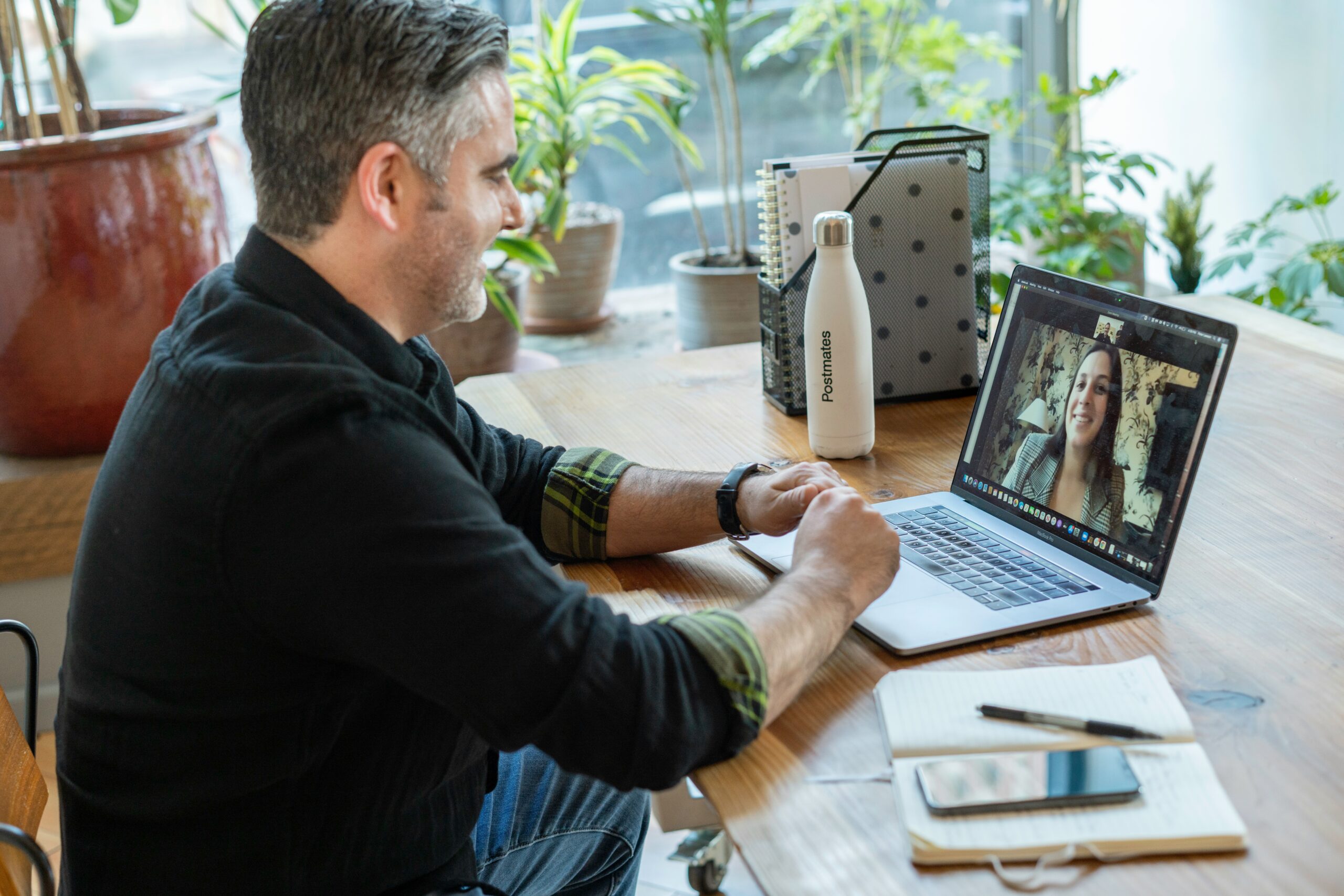
Online job interviews have become a normal part of the hiring process. Companies around the world now use video calls to interview candidates because it saves time, reduces costs, and allows them to connect with applicants from different locations.
For many people, especially beginners, the first online interview can feel stressful. You may worry about technical issues, what to say, how to behave on camera, or whether you will make a good impression.
The good news is that online interviews become much easier when you prepare properly. Most interview success comes from planning ahead, practicing your answers, and understanding what employers expect.
In this guide, you will learn how to prepare for your first online job interview and increase your chances of making a positive impression.
Why Online Interviews Are Important
Employers use online interviews for many reasons.
They help companies:
- Save travel costs
- Interview candidates faster
- Reach applicants from different locations
- Simplify the hiring process
For job seekers, online interviews create opportunities to apply for positions that may not be available locally.
Because remote and hybrid work continue to grow, online interview skills are becoming increasingly important.
Understanding the Interview Process
Before preparing, it is helpful to understand what usually happens during an online interview.
Most interviews follow a similar structure:
- Introduction
- Questions about your background
- Questions about your skills and experience
- Discussion about the role
- Opportunity to ask questions
- Closing conversation
Knowing this structure can help reduce anxiety and improve confidence.
Research the Company
One of the most important steps in interview preparation is learning about the company.
Employers often ask questions such as:
- What do you know about our company?
- Why do you want to work here?
- What interests you about this role?
Without preparation, these questions can be difficult to answer.
What to Research
Spend time learning about:
- Company history
- Products or services
- Mission and values
- Industry position
- Recent news or updates
Even basic research demonstrates genuine interest.
Review the Job Description
Many candidates forget to review the job posting before the interview.
This is a mistake because employers often ask questions directly related to the role.
Pay attention to:
- Responsibilities
- Required skills
- Qualifications
- Expectations
Understanding the position helps you explain why you are a suitable candidate.
Test Your Technology
Technical problems can create unnecessary stress during an interview.
Before the meeting, test all equipment.
Check Your Internet Connection
A stable internet connection is essential.
If possible:
- Use reliable internet
- Avoid downloading large files during the interview
- Close unnecessary applications
Test Your Camera
Make sure your camera:
- Works properly
- Produces a clear image
- Is positioned at eye level
A professional appearance helps create a positive impression.
Test Your Microphone
Clear audio is just as important as video quality.
Speak naturally and confirm that your voice can be heard clearly.
Practice Using the Platform
Employers may use various video conferencing platforms.
Familiarize yourself with the software before the interview begins.
Create a Professional Environment
Your surroundings matter during an online interview.
Employers pay attention to your environment because it reflects your preparation and professionalism.
Choose a Quiet Location
Find a space where interruptions are unlikely.
Avoid:
- Loud background noise
- Television sounds
- Busy areas
A quiet environment helps maintain focus.
Improve Lighting
Good lighting allows interviewers to see you clearly.
Natural light often works well, but any balanced lighting is acceptable.
Avoid sitting with a bright window directly behind you.
Keep the Background Professional
A clean and simple background creates a better impression than a cluttered one.
Employers should focus on you rather than distractions behind you.
Dress Professionally
Some people assume online interviews require less professionalism than in-person meetings.
This is not true.
Your appearance still influences first impressions.
What to Wear
Choose clothing that is:
- Clean
- Neat
- Professional
- Appropriate for the industry
Dressing professionally can also help increase confidence.
Prepare Your Introduction
One of the first questions interviewers often ask is:
“Tell me about yourself.”
Many candidates struggle because they have not prepared an answer.
What to Include
A strong introduction usually covers:
- Your background
- Relevant experience
- Key skills
- Career goals
Keep it concise and focused on professional information.
Practice Common Interview Questions
Preparation improves confidence.
Review common interview questions before the meeting.
Examples include:
- Why do you want this job?
- What are your strengths?
- What are your weaknesses?
- Why should we hire you?
- Tell us about a challenge you faced.
Practicing answers can help you communicate more clearly.
Prepare Examples From Your Experience
Employers often ask behavioral questions.
These questions require examples from real situations.
For example:
- Describe a time you solved a problem.
- Tell us about a difficult situation.
- Explain how you handled a deadline.
Specific examples are often more convincing than general statements.
Have Important Documents Ready
Keep useful information nearby during the interview.
This may include:
- Resume
- Job description
- Notes about the company
- Questions for the interviewer
Having these materials available can help you stay organized.
Maintain Positive Body Language
Body language remains important even during video interviews.
Positive body language can make you appear more confident and engaged.
Good Practices
- Sit upright
- Smile naturally
- Maintain eye contact
- Avoid excessive movement
These small actions can improve how interviewers perceive you.
Listen Carefully
Some candidates focus so much on their answers that they forget to listen.
Strong listening skills are valuable in every profession.
Why Listening Matters
Good listening helps you:
- Understand questions correctly
- Avoid misunderstandings
- Provide relevant answers
- Build stronger communication
Take a moment to think before responding if necessary.
Speak Clearly and Confidently
Clear communication helps interviewers understand your ideas.
Tips for Better Communication
- Speak at a steady pace
- Avoid rushing
- Use simple language
- Stay focused on the question
Confidence grows naturally when you are well prepared.
Ask Thoughtful Questions
Near the end of the interview, employers often ask whether you have questions.
Many candidates miss this opportunity.
Good Questions to Ask
Examples include:
- What does success look like in this role?
- What are the team’s current priorities?
- What opportunities for growth are available?
- What are the next steps in the hiring process?
Questions show interest and professionalism.
Avoid Common Online Interview Mistakes
Several mistakes can reduce your chances of success.
Joining Late
Always join a few minutes early.
Multitasking
Focus entirely on the interview.
Avoid checking messages or browsing websites.
Interrupting
Allow interviewers to finish speaking before responding.
Looking Away Frequently
Maintain reasonable eye contact with the camera.
Being Unprepared
Preparation is one of the most important factors in interview success.
Managing Interview Anxiety
Feeling nervous is normal.
Even experienced professionals experience interview anxiety.
Ways to Reduce Stress
- Practice beforehand
- Arrive early
- Prepare thoroughly
- Focus on breathing calmly
- Remember that the interview is a conversation
Confidence often improves once the discussion begins.
Follow Up After the Interview
Many candidates forget this step.
A professional follow-up message can leave a positive final impression.
What to Include
Thank the interviewer for their time.
Express appreciation for the opportunity and reaffirm your interest in the position.
A brief and professional message is usually sufficient.
Learning From Every Interview
Not every interview results in a job offer.
However, every interview provides valuable experience.
After each interview, consider:
- What went well?
- What could be improved?
- Which questions were difficult?
Continuous improvement helps you become a stronger candidate over time.
The Future of Online Hiring
Online interviews are expected to remain common in the future.
Many companies have discovered that virtual hiring is efficient and convenient.
As remote work continues to grow, online interview skills will become even more valuable.
Candidates who become comfortable with virtual communication will have an advantage in the modern job market.
Final Thoughts
Preparing for your first online job interview may seem challenging, but success is often the result of preparation rather than luck. Researching the company, reviewing the job description, testing your technology, practicing common questions, and creating a professional environment can significantly improve your performance.
Remember that employers are not looking for perfection. They want candidates who are prepared, professional, and capable of contributing to the organization.
By taking the time to prepare properly, you can reduce stress, increase confidence, and make a strong impression during your first online job interview. Every interview is an opportunity to learn, grow, and move closer to your career goals.